Pain Doesn’t Diagnose the Patient—Patterns Do
Why Chasing Pain Leads Chiropractors in the Wrong Direction, and Why Pattern Recognition Builds Stronger Clinical Reasoning

When a patient walks into your office after a car accident, they will usually tell you where it hurts.
“My neck hurts.”
“My low back hurts.”
“My shoulder is killing me.”
Pain is the loudest voice in the room. But here is the big mistake newer chiropractors make over and over: they treat pain like it is the diagnosis.
It isn’t. Pain is just news—it is not the answer. A great doctor learns to ask a different question: What pattern made this pain? That one change fixes everything.
Pain Is a Symptom. Patterns Tell the Story.
Imagine two patients. Both have 8/10 neck pain. At first glance, they look exactly the same. But look closer when you check them.
Patient A Shows:
Stiff neck when looking up
Pain during a neck compression test
Numbness along the C6 nerve path
Weak arm reflexes
Weak wrist strength
Patient B Shows:
Perfect nerve test results
Soreness only over the shoulder muscle
Pain only when lifting things
Normal orthopedic tests
No shooting pain
Both patients feel the same pain. But they don’t have the same problem. Pain got your attention, but the pattern guided your mind.
The Danger of Treating Pain Instead of the Problem
Building your exam around pain is the fastest way to write weak, generic notes. When pain rules every choice, your charting fails.
Instead, build your exam around real, objective facts. Ask yourself:
What body tissues are hurt?
What movements bring on the pain?
Which nerve findings match up?
Which orthopedic tests prove my guess?
Which facts show I might be wrong?
Now your exam is a hunt for real answers. You stop chasing symptoms and start building real clinical trust.
The Clinical Chain
Every exam should slowly weed out the wrong answers. Think of the steps like this:
Mechanism of Injury → Patient History → Objective Findings → Pattern Recognition → Clinical Impression → Treatment Recommendation
Notice what is missing from the center of that chain: pain. Pain is a part of the story, but it never runs the show. Patterns do.
Objective Data Gives Pain Context
Pain on its own is just subjective, an opinion. That does not mean it is useless, but it needs context. Objective facts bring that context. Good examples are:
Loss of normal joint movement
Changes in extremity reflexes
Muscle weakness
Numb areas
Orthopedic tests
Tenderness upon palpation
Daily tasks the patient cannot do
Each factual finding is a new piece of clues. Soon, the pieces start to fit. You don’t make up a diagnosis; you just uncover it.

Why This Matters in Documentation
Your chart notes should read like a real detective report, not a list of complaints. Don’t just write a lazy note like “Patient has neck pain.” Instead, ask:
What facts prove why the patient is in pain?
Can another doctor follow my roadmap from start to finish?
Does each clue lead logically to the next one?
Good documentation notes let an outside reader see exactly how you found your answer. It stops confusion and builds clean, professional trust.
The Difference Between Experience and Expertise
Smart chiropractors won’t just grab more facts. They’ll group their facts better. They spot patterns sooner and know which clues count the most.
Even better, they notice when a clue does not fit the mold. That’s usually where the best clinical choices start. A diagnosis isn’t proven just because one test is positive. Sometimes you question it because one odd clue stands out. Finding patterns is not about forcing facts to match your guess. It is about letting the facts lead you to the truth.
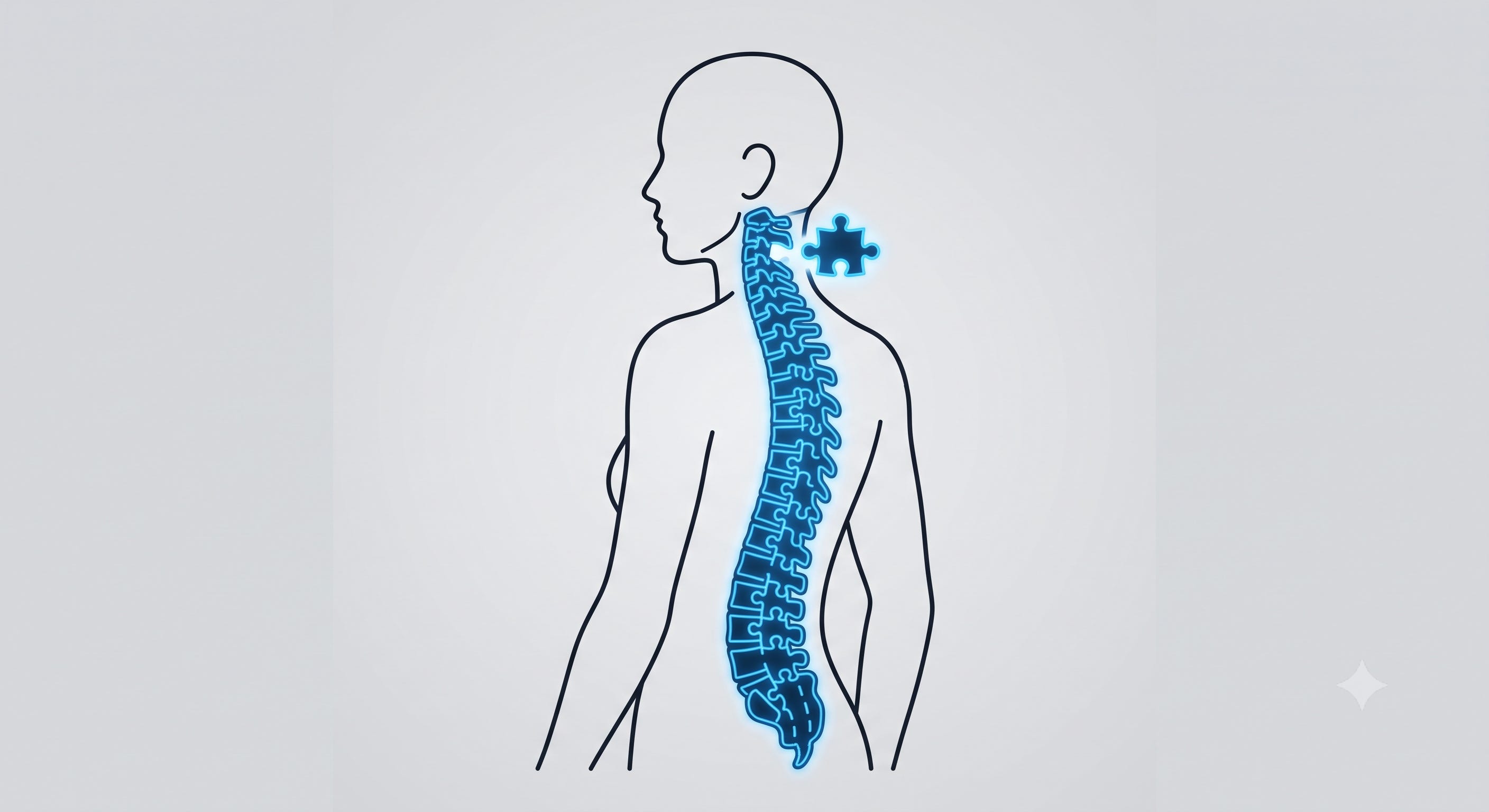
Every exam starts with a puzzle. Your job is not to solve the whole mystery on day one, but to narrow down choices strategically. Every orthopedic test, nerve assessment, and range of movement measurement cuts down on guesswork. In the end, the treatment plan should feel like the only logical answer left.
Closing Thoughts
Pain deserves your time, care, and effective charting. But pain is almost never the end goal—it is just the starting line. The best doctors are not the ones who memorize the most tests. They are the ones who link those tests into clear clinical patterns.
Patients don’t come to us just with pain. They come with the story their nervous system is shouting. Our job is to learn how to listen.
💬 Join the Conversation
What helped you get better at finding clinical patterns in your practice? Let’s talk in the comments below.